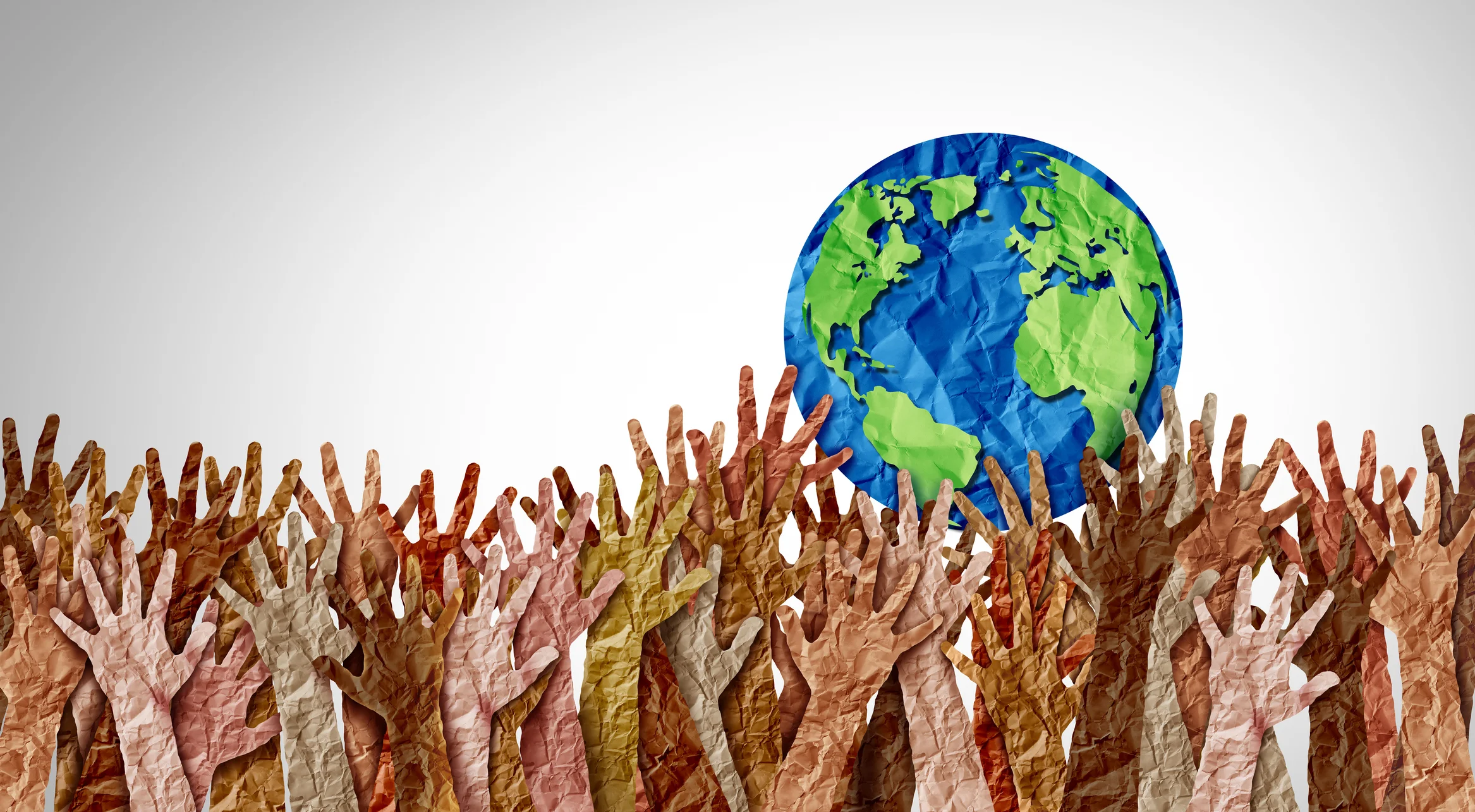
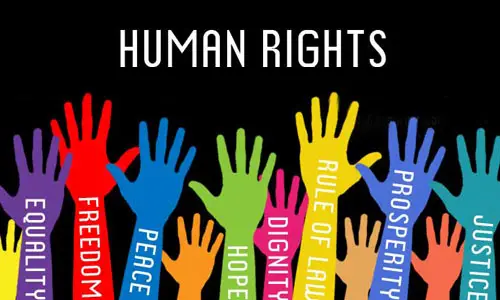
Human rights education is a powerful and transformative tool for building just, inclusive, and rights-respecting societies. It goes beyond knowledge transfer by fostering values, attitudes, and behaviors that support dignity, equality, and mutual respect.
At its core, human rights education helps individuals understand their rights and responsibilities within society. Awareness of legal protections and international human rights standards enables people to recognize violations and seek appropriate remedies. This awareness is particularly important for marginalized and vulnerable communities who may face systemic discrimination or exclusion.
Education also plays a preventive role in reducing human rights violations. By promoting tolerance, non-discrimination, and peaceful conflict resolution, human rights education addresses the root causes of violence and social division. It encourages empathy and respect for diversity, contributing to social cohesion and stability.
Institutions benefit significantly from human rights education. Training programs for public officials, law enforcement, educators, and service providers enhance institutional capacity to uphold rights in practice. Such initiatives improve service delivery, reduce abuses of power, and strengthen public trust in institutions.
Community-based human rights education is especially effective in creating sustainable impact. When education initiatives are adapted to local contexts and delivered through participatory approaches, they empower communities to take ownership of rights-based solutions. This grassroots engagement ensures that human rights principles are translated into everyday action.
In the long term, human rights education contributes to democratic resilience and sustainable development. By cultivating informed and engaged citizens, it supports accountable governance and inclusive decision-making. Investing in human rights education is therefore an essential strategy for building societies where justice, equality, and dignity are upheld for present and future generations.